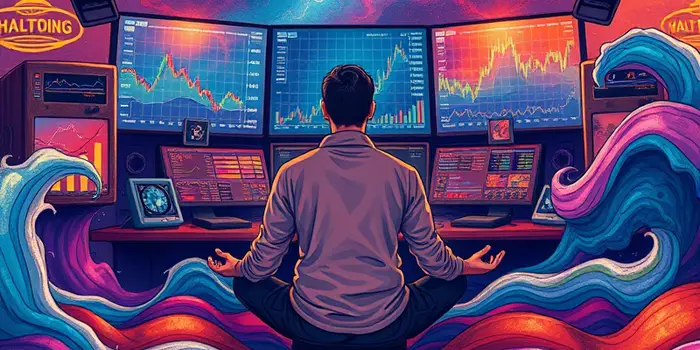
Understanding Emotional Drivers
Trading psychology refers to the emotional and mental patterns that dictate how traders react to market events. Research suggests that market performance is shaped by 85% of market performance through emotional responses, with only 15% attributed to strategy and analysis.
Rather than relying solely on technical charts, recognizing your internal triggers can be the difference between profit and loss. This awareness begins with acknowledging that emotions are neither inherently good nor bad, but they must be managed.
Key Emotions That Shape Decisions
Several core emotions influence trading behavior and can lead to irrational outcomes when unchecked:
- Fear
- Greed
- Anxiety
- Overconfidence
- Frustration
Fear can cause premature exits from strong trends, while greed drives overleveraging. Anxiety may delay entries, and overconfidence often leads to ignoring warning signs. Frustration or revenge trading frequently follows a loss, creating a vicious cycle.
Psychological Biases and Market Behavior
Beyond emotions, behavioral biases subtly warp judgment. The loss aversion and recency bias can trap you in losing positions, while confirmation bias may make you ignore contradicting data.
Recognizing these biases allows you to build defenses against their influence and maintain rational decision-making.
How Emotions Affect Profitability
Emotional responses can alter risk perception, causing traders to either exit too quickly or hold losing positions too long. Studies show that traders whose anticipatory emotional engagement aligns with market moves tend to outperform those who react after the fact.
In controlled experiments, traders with heart rate increases before entering orders earned significantly more profits. Conversely, reactive stress responses after executing trades correlated with poorer results. These findings underscore the importance of cultivating a calm, engaged mindset.
Techniques for Emotional Mastery
Practical strategies can help you maintain composure and stick to your plan:
- Develop a structured, written trading plan with clear entry and exit rules.
- Practice deep breathing and short breaks between trades to reduce stress.
- Keep a detailed journal to review emotional reactions post-trade and learn patterns.
- Use mandatory pause times to avoid acting on impulse.
- Incorporate visualization and affirmations to reinforce confidence.
By embedding these habits, you can shift from reactionary behavior to a disciplined approach focused on objective criteria.
Sustaining Discipline Over the Long Term
Emotional control is not a one-time achievement but a continuous practice. Self-awareness allows you to spot stress triggers and implement corrective measures before they spiral.
Patience and consistent reflection are key. Regularly review your journal and trading plan, updating them as you identify new emotional patterns. Over time, this process builds a resilient mindset that treats trading as a business, not entertainment.
Putting It All into Practice
Consider the story of an anonymous trader who missed a major rally due to paralyzing fear. After a disciplined journaling routine and adopting mindfulness techniques, she regained confidence. By following her pre-set loss limits and focusing on data, she saw steady gains over the next year.
This transformation illustrates how small behavioral adjustments can compound into meaningful performance improvements.
Actionable Steps for Traders
Ready to apply these insights? Start with these practical steps:
- Create a comprehensive trading plan and document each emotional state in your journal.
- Set daily loss and profit limits to automate risk management with limits.
- Engage in mindfulness practices, such as meditation or breathing exercises.
- Review both winning and losing trades objectively to identify and correct emotional mistakes.
By integrating these steps into your routine, you transform emotional volatility into a source of insight rather than an obstacle.
Ultimately, mastering the psychology of trading is a journey. Embrace self-awareness, cultivate discipline, and leverage practical techniques. In doing so, you'll not only protect your capital but also unlock consistent, sustainable profits in any market environment.
References
- https://tradewiththepros.com/emotional-control-in-trading/
- https://www.britannica.com/money/trading-psychology
- https://www.home.saxo/learn/guides/market-volatility/what-is-trading-psychology-and-why-does-it-matter
- https://cfi.trade/en/jo/blog/trading/the-impact-of-emotions-and-psychology-on-trading
- https://pubsonline.informs.org/doi/10.1287/mnsc.2023.4883
- https://in.snhu.edu/blogs/understanding-psychology-of-financial-markets
- https://www.forex.com/en-sg/news-and-analysis/trading-psychology/